Plaza de Mayo: Complete Guide to Buenos Aires' Historic Heart

Discover the beating heart of Buenos Aires where Argentina's most significant historical moments have unfolded. From the pink Casa Rosada to the symbolic Pirámide de Mayo, this iconic square tells the story of a nation.

Everything you need to know for an unforgettable visit to Argentina's most important plaza.

Start Your Journey

Casa Rosada presidential palace Plaza de Mayo

Casa Rosada - The Pink Presidential Palace

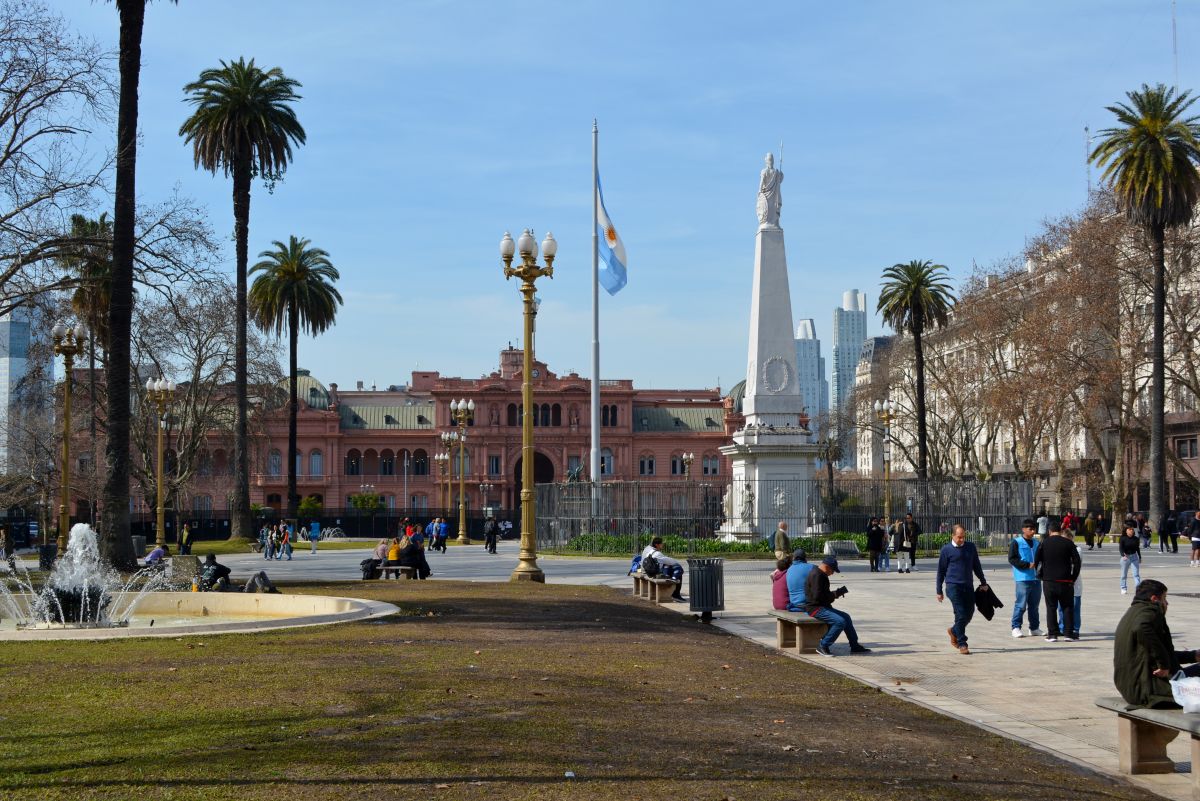
The stunning Casa Rosada captivates every visitor with its unique pink facade. Legend says the building's distinctive color comes from mixing bull's blood with lime paint in colonial times when proper paint wasn't available [1].

Inside, you'll find an absolutely incredible free museum that combines ancient stone masonry of historic underground tunnels with modern walls and glass ceilings, plus vintage cars and historical artifacts [1].
Pirámide de Mayo - Argentina's First Monument

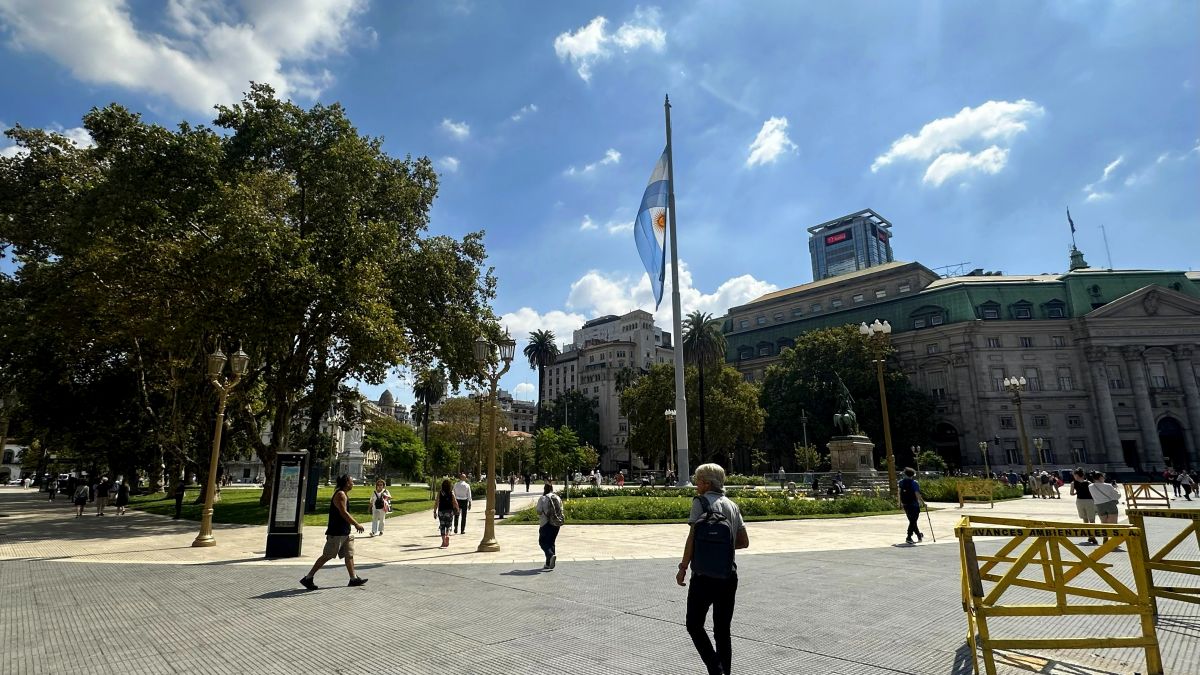
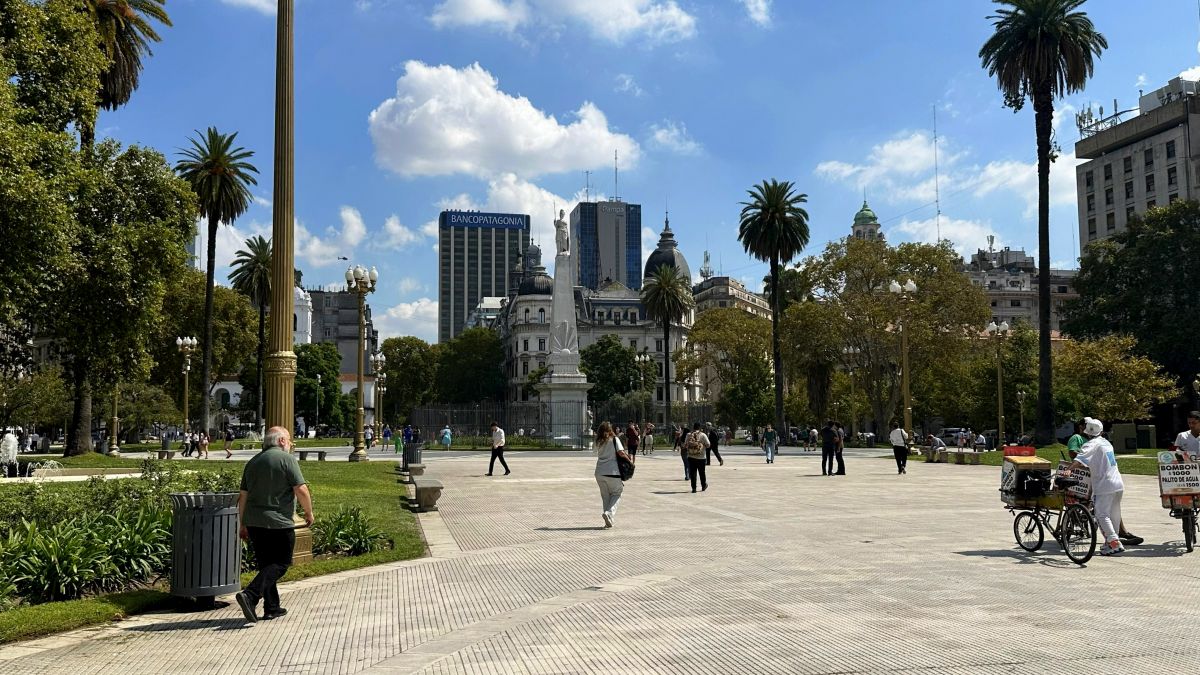
At the plaza's center stands the fascinating Pirámide de Mayo, one of Argentina's first stone monuments. This narrow pyramid has a very interesting form that surprises visitors with its unique design [1].

The monument serves as the symbolic heart of the plaza, representing Argentina's journey to independence and the May Revolution of 1810 [3].

Metropolitan Cathedral Buenos Aires interior

Metropolitan Cathedral & Historic Buildings

The main cathedral of the capital features stunning interiors and vintage military guards at the entrance, creating a popular photo spot where tourists constantly snap pictures of these "guardians" [1].

The Cabildo, one of the country's first administrative buildings where the declaration of independence was signed, offers breathtaking views through its arched passages [1].

Mothers Plaza de Mayo white headscarves symbols

Symbols of Human Rights

Throughout the plaza, you'll notice white headscarf drawings on the plaza's tiles – one of Buenos Aires' most recognizable symbols representing the struggle of the Mothers of Plaza de Mayo against the military dictatorship [1].

These symbols serve as a permanent reminder of Argentina's fight for human rights and democracy, making the plaza not just a tourist destination but a living monument to resilience [3].

Getting to Plaza de Mayo

Plaza de Mayo serves as a major transit hub with three underground lines converging beneath the historic square, maintaining its role as a focal point of city life [3].

The closest metro stations are:
• Plaza de Mayo (Line A)
• Bolívar (Line E)
• Catedral (Line D)
[4]

Transportation Tips

  • Line A is the historic first subway line in Latin America
  • All three stations provide easy access to the plaza
  • Downtown location makes it walkable from most hotels
  • Multiple bus routes also serve the area

Plaza de Mayo walking routes Buenos Aires

Perfect Walking Routes from the Plaza

After exploring the plaza, discover Buenos Aires through these fantastic routes:

  • Diagonal Norte - One of the most beautiful streets leading to the iconic Obelisk
  • Comics Street - Head to San Telmo, the most touristic neighborhood
  • Costanera Sur - Walk to elegant Puerto Madero district

Nearby Attractions (1 block)

  • Buenos Aires Museum (BAM)
  • Historic Estrella pharmacy (still operating)
  • Avila bookstore (Argentina's first bookstore)
  • Former Bank of London building (brutalist masterpiece)

Plan Your Visit: Insider Tips

The Casa Rosada Museum is completely free and ranks among the top museums many visitors want to see more than once. The combination of ancient architecture with modern design creates an unforgettable experience [1].

Best visiting times: Early morning for fewer crowds, late afternoon for golden hour photography of the pink palace, and weekdays for museum access.

Frequently Asked Questions

  1. According to legend, the Casa Rosada is pink because historically, when proper paint wasn't available, lime was mixed with bull's blood to paint the building's walls, creating the distinctive pink color that has become iconic.

  2. The white headscarf drawings throughout the plaza symbolize the Mothers of Plaza de Mayo, who fought against the military dictatorship to find their disappeared children. They represent Argentina's struggle for human rights and democracy.

  3. While Plaza de Mayo isn't officially kilometer zero (that's Plaza del Congreso), it's emotionally and historically the heart of Buenos Aires where everything important happened, making it the symbolic starting point for understanding the city.

  1. Yes! Unlike many other museums, the Casa Rosada Museum is completely free and offers an incredible experience combining historic underground tunnels with modern architecture and vintage car displays.

  2. Early morning offers fewer crowds and better photography opportunities. Late afternoon provides beautiful golden hour lighting on Casa Rosada. Weekdays are ideal for museum visits and avoiding weekend crowds.

  1. All three lines (A, D, E) provide convenient access. Line A's Plaza de Mayo station puts you directly under the square, while Catedral (Line D) and Bolívar (Line E) are equally close.

  2. Absolutely! Plaza de Mayo is perfectly positioned for walking to San Telmo (via Comics Street), Puerto Madero (via Costanera Sur), and the Obelisk (via beautiful Diagonal Norte).

[crp]